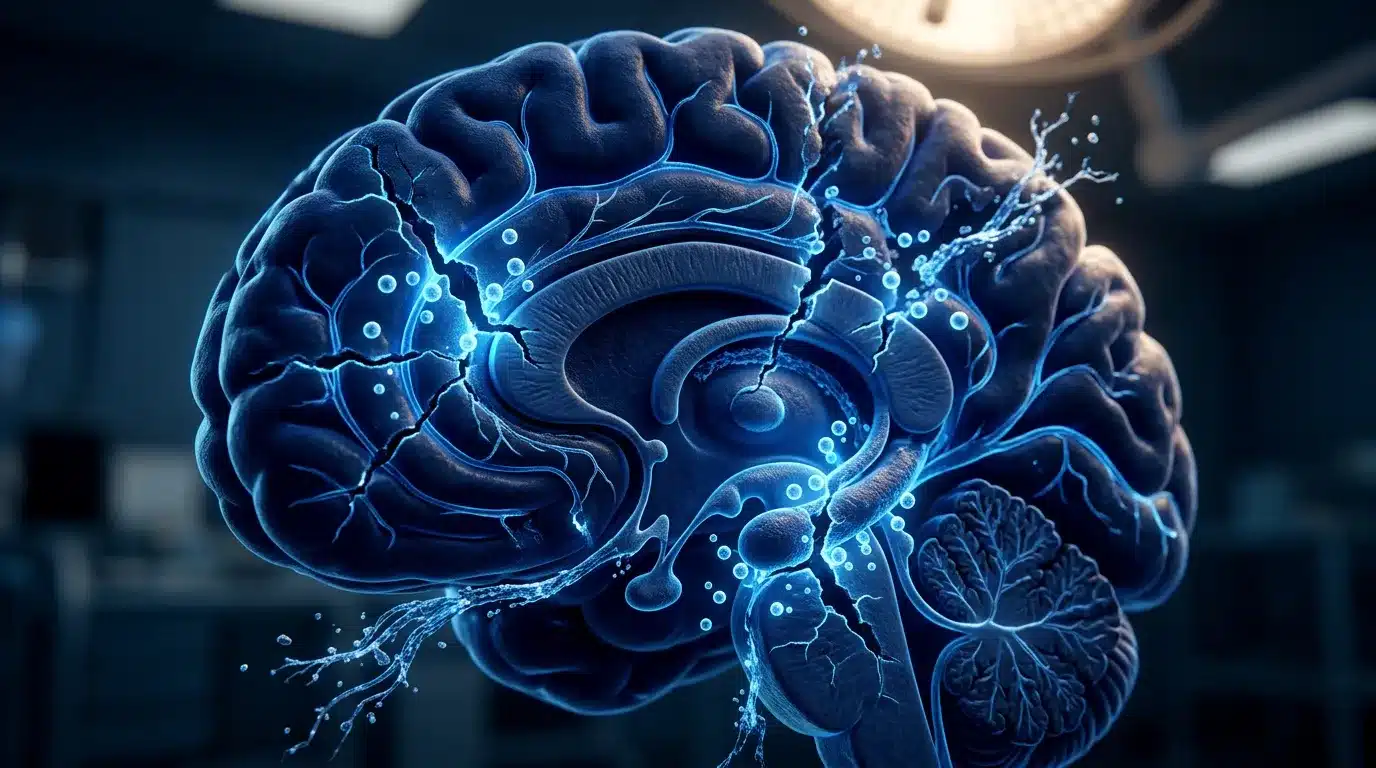
Death remains one of the most profound mysteries of human existence, surrounded by fear, intrigue, and profound contemplation. Despite its inevitability, the experience of dying can vary widely across different cultures, personal beliefs, and biological processes. This article delves into what it feels like to die, exploring the biological, psychological, and spiritual dimensions that color our final moments. By examining near-death experiences, cultural beliefs, and the latest scientific advancements, we can gain a deeper understanding of death, not just as an end but as a significant part of our human journey.
The Biological Process of Dying

As life draws close, the human body undergoes a series of biological processes that signal the end is near. Initially, major systems begin to shut down; the circulatory system slows, breathing becomes irregular, and consciousness fades. These changes are often accompanied by decreased appetite and mobility, marking the beginning of the body’s final shutdown. This stage is a physical process and a natural progression that every living organism is programmed to follow.
The body exhibits specific clinical signs of imminent death in the final moments. These include changes in skin color and temperature, mottling, and the cessation of pulse and heartbeat. For those witnessing a loved one die, understanding these signs can prepare them emotionally for what is to come. It’s a deeply personal and singular experience that each person undergoes alone, making it a profound and often transformative moment.
Near-Death Experiences
Near-death experiences (NDEs) provide fascinating insights into what might be felt or seen when one is close to death. Common features reported during NDEs include a sensation of being outside one’s body, moving through a tunnel, or experiencing a brilliant light. Some individuals report feeling an overwhelming sense of peace or encountering spiritual beings or deceased relatives. These experiences, while not universally experienced, suggest that consciousness may continue in some form even when the body is near death.
Skeptics argue that these experiences are neurological responses to stress or brain function changes as the body shuts down. However, for those who experience them, NDEs are often transformative, altering their perceptions of life and death profoundly. Whether these experiences are psychological phenomena or glimpses into an afterlife remains a topic of great debate and fascination.
The Psychological Impact

The psychological journey towards death is often as significant as the physical one. Many people go through a process of recognizing and accepting their mortality, which can be emotionally turbulent. The stages of grief, as proposed by Elisabeth Kübler-Ross, including denial, anger, bargaining, depression, and acceptance, are commonly observed in those facing their imminent death. This framework helps many understand and categorize their feelings during this challenging time.
However, not everyone experiences these stages linearly or uniformly. For some, the knowledge of imminent death brings about a profound reassessment of their lives and relationships, often leading to a more acute appreciation of life. In contrast, others may find themselves overwhelmed by fear and anxiety, struggling to come to terms with their mortality. Mental health support and counseling can play critical roles in helping individuals navigate this complex emotional landscape.
Cultural Perspectives on Death
Cultural beliefs significantly influence how individuals perceive and cope with death. For instance, the Day of the Dead celebration in Mexico reflects a unique acceptance and acknowledgment of death’s natural role in life. Families gather to remember the deceased, creating altars and offering food and drinks to the spirits. This celebration exemplifies how culture can transform death from a mournful event into a communal expression of love and remembrance.
Conversely, Tibetan Buddhists practice sky burials, where the deceased are offered to vultures, symbolizing the impermanence of life and the return of the body to nature. Such practices underscore the varied ways cultures worldwide understand and deal with death. These cultural rituals provide comfort and context to the dying and their families, offering a shared way to experience and accept death.