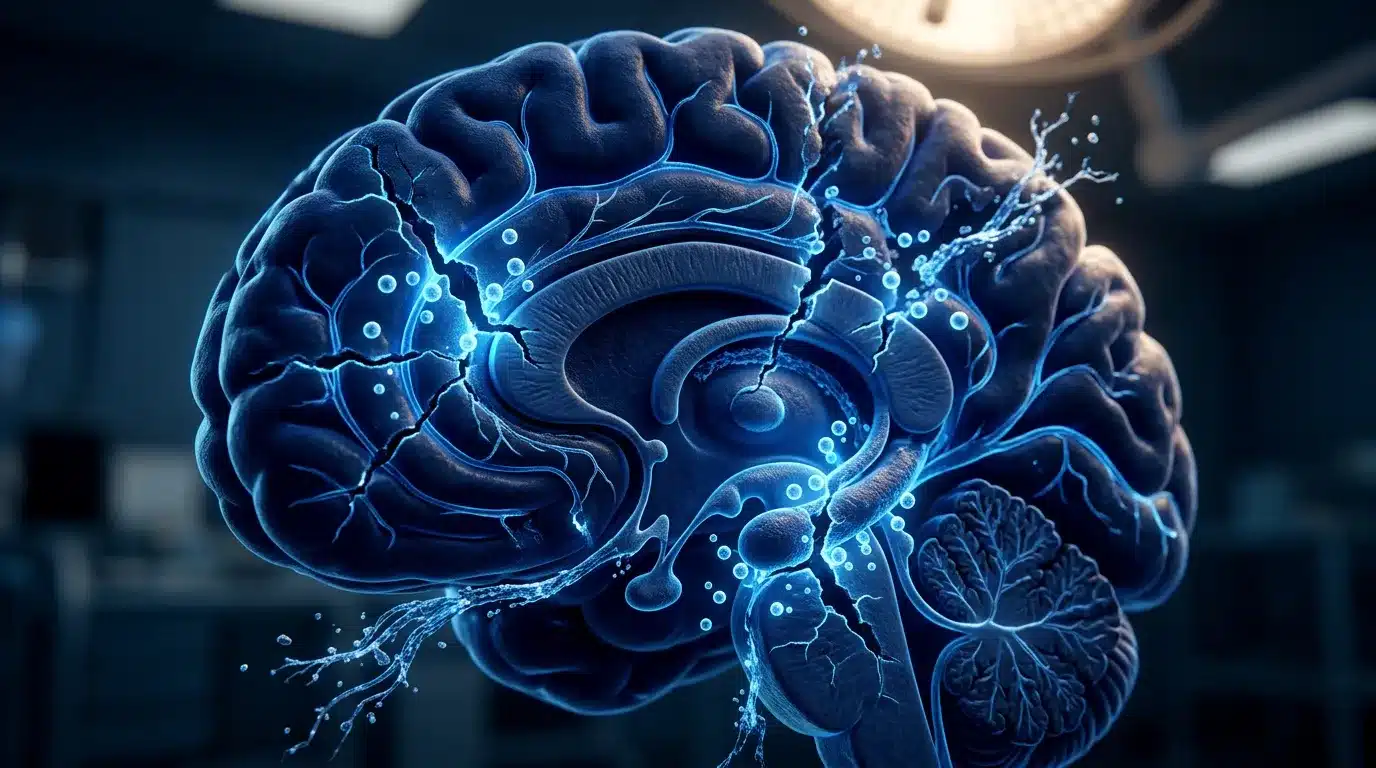

Microplastics infiltrate more aspects of daily life, from the water we drink to the air we breathe. Though these tiny particles are often invisible to the naked eye, their impact on human health is becoming increasingly impossible to ignore. This article delves into how microplastics threaten health and explores the implications of their pervasive presence in our environment.
Understanding Microplastics

Microplastics are small plastic pieces less than five millimeters in diameter, originating from various sources such as cosmetic products, synthetic textiles, and the degradation of larger plastic waste. Due to their durability and ability to absorb toxic chemicals, microplastics have become a global environmental issue. As these plastics break down further into nanoplastics, they become even harder to control and remove, permeating ecosystems worldwide.
The pathways through which microplastics enter the environment are multifaceted. They wash off urban landscapes into waterways, leach from landfill sites, and even detach from clothes in the washing machine. Once they enter natural habitats, microplastics can travel vast distances, carried by winds and water currents, making their presence ubiquitous across the globe, from the peaks of mountains to the depths of the oceans.
Microplastics in Our Food

One of the most direct ways humans interact with microplastics is by consuming contaminated food. Marine organisms, particularly filter feeders, often ingest microplastics in water, accumulating up the food chain to commercial seafood. Studies have shown that microplastics are present in everything from deep-sea creatures to the fish on our plates.
Microplastics have been found on land in agricultural soil, affecting crop quality and safety. These particles can absorb harmful pollutants and transfer them to agricultural products such as fruits, vegetables, and grains. This compromises the quality of these foods and poses significant health risks to consumers, introducing microplastics into the human diet.