A powerful system of severe weather left a path of destruction stretching from the southern Plains to the East Coast, claiming lives, crippling infrastructure, and disrupting daily life for millions. On Tuesday night, two tragic fatalities occurred in Pennsylvania as dangerous storms swept the region. Hundreds of thousands remain without power, and more storms are forecasted for the days ahead.
Two Fatalities Confirmed in Pennsylvania
In a tragic turn, two people lost their lives in Pennsylvania due to the storms. A man in Pittsburgh was fatally electrocuted by downed power lines around 7 p.m. The second victim, a 22-year-old man from State College, was electrocuted while attempting to put out a mulch fire ignited by live wires. Both deaths highlight the deadly risks posed by storm-damaged infrastructure.
Widespread Derecho Wreaks Havoc Across Multiple States

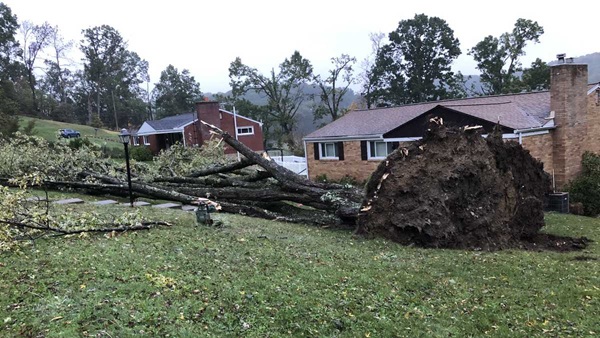
A long-lived and destructive windstorm, known as a derecho, barreled over 500 miles from eastern Indiana to central Pennsylvania. The storm produced wind gusts between 55 and 80 mph, downing trees and power lines across a path more than 60 miles wide. The sheer scale and intensity of this storm disrupted communities across the Midwest and East Coast.
These straight-line winds were particularly devastating, causing structural damage, toppling utility poles, and ripping through wooded areas. Homes and businesses faced significant damage, while emergency services responded to reports of blocked roads and power outages stretching across state lines.
Tornadoes Hit Oklahoma and Missouri
While the derecho swept eastward, tornadoes were confirmed in several areas of the Midwest. Oklahoma and Missouri experienced at least three tornadoes, including an EF-1 near Collinsville, Oklahoma. That twister destroyed outbuildings, tore off roofs, and uprooted trees.
In Missouri, an EF-1 tornado struck Verona, inflicting major damage on multiple buildings and tearing down large trees. Another, weaker EF-0 tornado was confirmed in Nixa, contributing to the extensive wind damage already caused by the broader system. These tornadoes added to an already chaotic weather situation.
Relentless Rainfall and Flooding
Oklahoma City is nearing its wettest April on record, with 11 inches of rainfall already logged. The current record, 11.91 inches, dates back to April 1947. The area between North Texas and Oklahoma City received 2 to 4 inches of rain on Tuesday alone.
In the last week, rainfall across this region has reached nearly 800% of the normal levels for this time of year. Flash flood warnings blanketed the region, and many roadways were rendered impassable. Homes and businesses in flood-prone areas face additional threats as the saturated ground increases the risk of further flooding.
Texas and Missouri Slammed by Extreme Hail and Wind
Severe weather in Texas included massive hailstones and extreme wind gusts. In Guthrie, hail measuring 5 inches in diameter pelted homes and vehicles. Near Seymour, wind gusts exceeded 100 mph, causing widespread destruction.
Missouri also faced extreme wind conditions, with gusts reaching 90 mph near Nixa and Willard. These violent bursts brought down trees, shattered windows, and peeled roofs from homes and commercial buildings. The combination of hail and wind made travel dangerous and caused millions in estimated damages.
Hundreds of Thousands Without Power
One of the most severe impacts of this storm system has been the massive power outages. Pennsylvania alone reported over 400,000 customers without electricity as of early Wednesday morning. Utility companies continue working around the clock to restore service.
Ohio also experienced significant outages, with over 50,000 customers affected. The widespread damage to power lines and substations means that some areas could be without power for days. Crews face challenges accessing remote and debris-laden areas, further complicating restoration efforts.
School Closures and Delays Disrupt Education
With damage widespread and power out in large areas, school districts across western and central Pennsylvania have either delayed classes or closed schools entirely on Wednesday. Safety concerns and logistical difficulties, including road closures and inoperable school facilities, have forced administrators to halt normal operations.
Parents and students were urged to monitor local alerts and district websites for updates. In many communities, emergency shelters have been opened to support those affected by the storm and without power or safe housing.
More Storms on the Horizon
The threat isn’t over. As of Wednesday morning, severe thunderstorms continue to hit parts of North Texas and Oklahoma. A severe thunderstorm watch remains in effect until at least 8 a.m. local time for areas including Lawton and Wichita Falls.
Forecasts for Thursday indicate another round of severe weather stretching from San Antonio, Texas, to Buffalo, New York. These storms could bring damaging winds and large hail, further complicating recovery efforts in already-battered regions. Residents are being urged to remain alert and take warnings seriously.
Looking Ahead to the Weekend
By Saturday, the storm system is expected to weaken significantly, but rainfall will persist from the Gulf Coast up to the Northeast. Although the risk of severe weather decreases, many areas will experience a soggy start to the weekend, with minor flooding still a possibility in low-lying or already saturated regions.
Communities across the U.S. are bracing for continued disruptions as cleanup and recovery efforts begin. The sheer breadth of the storms has placed enormous strain on emergency responders, utility crews, and local governments trying to maintain public safety.
Nature’s Ferocity Leaves Mark on Millions
From deadly electrocutions in Pennsylvania to powerful tornadoes in the Midwest and devastating hail in Texas, this week’s storm outbreak underscores the unpredictable and dangerous nature of spring weather in the U.S. With lives lost, homes damaged, and infrastructure strained, residents across multiple states now face the challenge of recovery while preparing for what may come next.
Authorities continue to monitor evolving weather patterns and urge the public to remain vigilant, heed alerts, and take necessary precautions. The storm’s fury may have passed in some areas, but its consequences will linger long after the skies clear.
Stay Updated with Breaking News
Get real-time updates on breaking stories, trending topics, and the latest headlines. Follow Dumbed Down News on X (formerly Twitter) for fast, no-nonsense coverage!
Click here to follow now: Dumbed Down News


