

Can Stress Actually Cause Physical Brain Damage?
Research reveals chronic stress can physically alter brain structures, affecting memory, emotions, and cognitive function—but recovery may be possible.
How Cortisol and Stress Hormones Affect Brain Structure
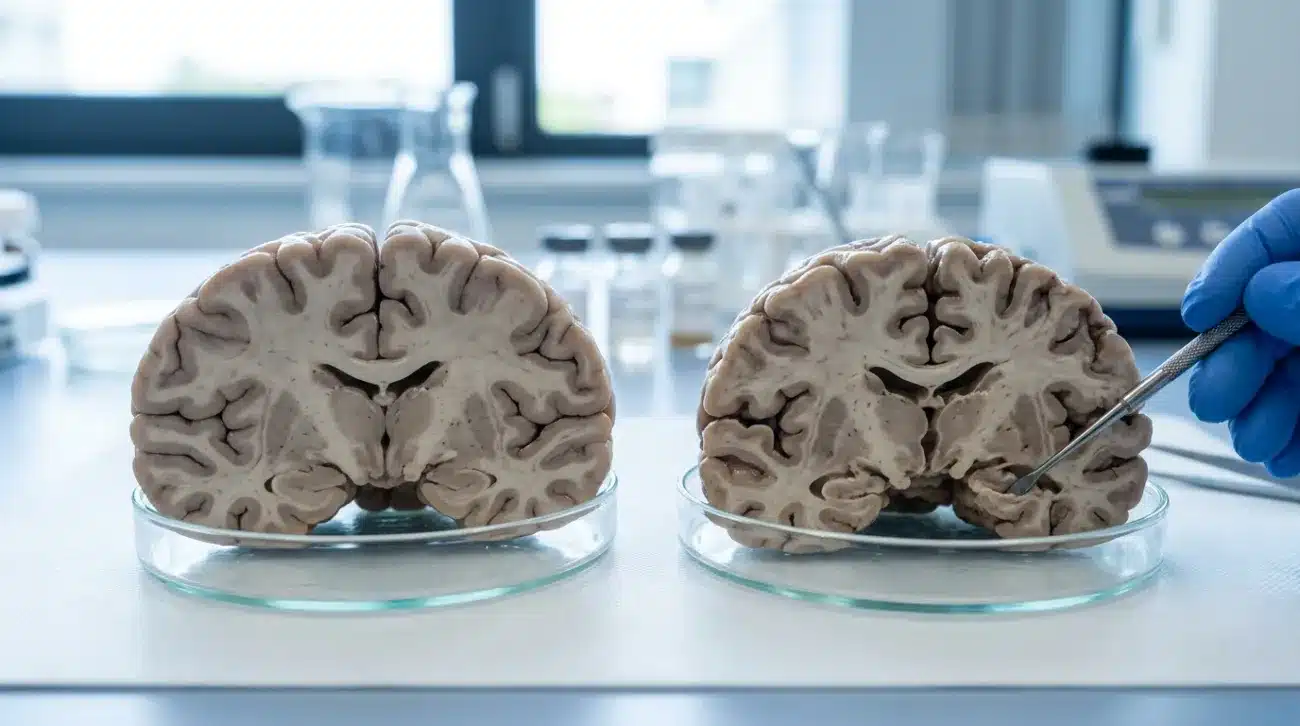
The relationship between chronic stress and brain changes centers largely on cortisol, the body’s primary stress hormone. When an individual experiences stress, the hypothalamic-pituitary-adrenal (HPA) axis activates, releasing cortisol into the bloodstream. In acute situations, this response is adaptive and protective. However, when stress becomes chronic, cortisol levels remain elevated for extended periods, creating conditions that can physically alter brain tissue.
Research published in the journal Neurology found that higher serum cortisol was associated with lower brain volumes and impaired memory in asymptomatic younger to middle-aged adults, with the association being particularly evident in women. Studies have also demonstrated that elevated cortisol levels are associated with changes in the hippocampus, prefrontal cortex, and amygdala—regions critical for memory formation, executive function, and emotional processing. The mechanisms through which stress affects the brain include activation of endoplasmic reticulum stress, apoptosis, oxidative stress, and excitatory/inhibitory neuron imbalance, potentially leading to behavioral and cognitive deficits.
Understanding the Stress Response
Stress is essentially a defensive adaptation under physiological conditions, representing a combination of physiological, neuroendocrine, behavioral, and emotional responses to novel or threatening stimuli. However, strong and long-lasting stress can lead to psychological and pathological damage, according to research from Soochow University. Chronic inflammation caused by prolonged stress is believed to play a significant role in the early development of neurodegenerative conditions such as Alzheimer’s and Parkinson’s disease.
The Hippocampus and Memory Under Chronic Stress
The hippocampus—the brain region essential for learning and memory—is particularly vulnerable to the effects of chronic stress. Research has consistently shown that this structure is highly sensitive to sustained glucocorticoid exposure. Under conditions of chronic stress, hippocampal neurons undergo significant changes that can impair cognitive function and emotional regulation.
Studies indicate that chronic stress causes hippocampal neurons to retract their dendrites, reducing connectivity, and suppresses neurogenesis—the production of new neurons. In severe or prolonged cases, hippocampal volume measurably decreases. The hippocampus also plays a critical role in shutting down the cortisol response after stress, and when it is damaged by chronic cortisol exposure, it loses its ability to turn off the HPA axis, creating a cycle of sustained high cortisol and further hippocampal damage. Excessive levels of cortisol can suppress neurogenesis, inhibit synaptogenesis, and result in atypical dendritic branching and axon development, according to research examining associations between stress physiology and brain structure.
The cognitive consequences of these structural changes are significant. The stressed hippocampus becomes smaller, less densely connected, and functionally compromised in ways that correspond to the cognitive difficulties chronically stressed individuals commonly report. Memory encoding becomes less reliable, and contextual learning—the ability to situate new information in its appropriate context rather than storing it as isolated facts—becomes impaired.
Amygdala Changes and Heightened Anxiety Responses

While chronic stress causes the hippocampus to shrink, it produces the opposite effect in the amygdala—the brain’s emotional processing center. Research indicates that stress leads to hyperactivity of the amygdala, which is accompanied by the removal of inhibitory control. This structural and functional shift has profound implications for emotional regulation and the development of anxiety disorders.
The amygdala has a central role in anxiety responses to stressful and arousing situations. Studies examining stress-induced changes have documented that acute and chronic stress can lead to numerous long-lasting adaptive changes in the amygdala, including alterations in dendritic and synaptic plasticity. Unlike the atrophy observed in the hippocampus and prefrontal cortex, the amygdala shows hypertrophy—an increase in dendritic growth and connectivity—following chronic stress exposure. These changes in the amygdala can cause individual susceptibility to anxiety disorders.
In chronic stress or anxiety disorders, the amygdala remains overactive even in the absence of real threats. This constant state of alarm can make individuals more sensitive to stressors, perceiving danger where none exists. Research using brain imaging has shown that people with chronic anxiety or post-traumatic stress disorder often exhibit increased amygdala activity, which can lead to a feedback loop where the brain continually interprets neutral or ambiguous cues as threatening.
Hippocampus
Experiences volume reduction, dendritic retraction, and suppressed neurogenesis under chronic stress, leading to memory impairment and difficulty regulating the stress response.
Amygdala
Shows increased dendritic growth and hyperactivity during chronic stress, contributing to heightened anxiety, fear responses, and emotional dysregulation.
Prefrontal Cortex
Undergoes structural remodeling with decreased volume and connectivity, impairing decision-making, impulse control, and emotional regulation.
Prefrontal Cortex Impairment and Decision-Making Deficits

The prefrontal cortex—the brain region responsible for higher-order cognitive functions including decision-making, attention, and impulse control—is highly sensitive to stress. Research has documented that chronic stress can impair the function of the prefrontal cortex, leading to difficulties in concentration, problem-solving, and emotional regulation. Structurally, chronic stress can cause a reduction in the volume of the prefrontal cortex, with decreased dendritic branching and synaptic connectivity.
The prefrontal cortex has been implicated in impaired performance under stress on tasks requiring complex and flexible thinking. Acute stress leads to the release of glucocorticoids, which appear to reduce the function of the prefrontal cortex by disrupting intracellular signaling pathways. Chronic stress is also associated with reduced prefrontal function because chronically high levels of glucocorticoids appear to cause dendritic retraction and reduced spine number in this region. Both acute and chronic stressors appear to lead to impaired prefrontal function and increased reliance on other brain structures to guide decision-making, reducing cognitive flexibility and increasing perseveration.
Under stress, the brain often shifts control from the prefrontal cortex to more primitive areas like the amygdala, which prioritizes quick, survival-based responses. While this “downshifting” serves as a protective mechanism by ensuring rapid reactions, it can lead to impulsive decisions that lack critical reasoning and analysis, especially in non-life-threatening high-stress situations. Studies show that high levels of cortisol reduce the ability of the prefrontal cortex to process information, make rational decisions, and control impulses.
The Blood-Brain Barrier Connection
Repeated stress is a major trigger for persistent inflammation in the body. The brain is normally protected from circulating molecules by a blood-brain barrier. However, under repeated stress, this barrier becomes leaky and circulating inflammatory proteins can get into the brain. The hippocampus is particularly vulnerable to such insults, contributing to the structural changes observed in chronically stressed individuals.
Neuroplasticity and the Potential for Brain Recovery

Despite the concerning nature of stress-induced brain changes, research offers reason for cautious optimism. Many of the brain changes produced by chronic stress are reversible—because the brain is neuroplastic and changes in response to experience in both directions. The structural changes that chronic stress produces are not all permanent, and recovery mechanisms exist that can restore function under the right conditions.
Research examining chronic stress has found that spontaneous recovery can restore behavioral deficits in memory tests, as well as reverse glutamate receptor expression changes in the hippocampus. In several different stress-related conditions known to cause hippocampal shrinkage, evidence suggests that effective treatment can at least partially reverse this atrophy, leading to growth rather than further loss. Research published in Nature Neuroscience has shown that chronic stress causes neuronal remodeling in a largely reversible manner, and stress-induced changes in the structure of the prefrontal cortex are also reversible, at least in young subjects.
The good news is that most of this “shrinkage” reflects flexible, living tissue pulling back, not neurons dying off permanently. Dendrites retract and spines shrink, but neurons typically survive and can regrow. Recovery is possible for many people, though how much and how fast depends on how long the stress lasted and how severe it was. Shorter stress exposure generally predicts more complete recovery once the stressor ends. Aerobic exercise is recognized as one of the most powerful interventions for reversing stress-related brain changes, along with sleep improvement and appropriate treatment.