Recognizing Symptoms of Stress-Related Brain Changes

The structural and neurochemical changes caused by chronic stress translate into a predictable set of cognitive and emotional effects. Individuals experiencing chronic stress may notice difficulty concentrating and poor working memory, heightened reactivity to minor stressors, intrusive thoughts and difficulty letting go of worries, impaired decision-making and impulse control, and reduced capacity for empathy and social engagement. These symptoms are often described as “brain fog” and typically characterized as forgetfulness, difficulty concentrating, and mental slowing.
Prolonged stress can take a toll physically, cognitively, and emotionally. People may experience multiple physical ailments including headaches, stomach and gastrointestinal distress, muscle aches, joint pain, sleep disturbances, and daily fatigue. Headaches, numbness, worsening tremors, and cognitive decline are real physical symptoms of stress that must be professionally evaluated to rule out serious conditions. A stressed brain may have trouble sleeping related to anxiety and feeling revved up, sometimes with racing thoughts that interfere with rest.
Key Insight
While chronic, severe stress can cause measurable changes in brain structure—particularly hippocampal volume reduction—the term “damage” may be an overstatement for most people. The brain has significant neuroplasticity, and with consistent stress reduction, sleep improvement, exercise, and appropriate treatment, structural recovery is possible. The structural changes, while partially reversible, accumulate faster than they recover, making prevention considerably more efficient than restoration.
Evidence-Based Approaches for Protecting Brain Health

Research has identified several interventions that can help halt and potentially reverse stress-induced brain changes. Structured aerobic exercise, sleep hygiene, and specialized cognitive therapies have all shown promise in addressing the neurological effects of chronic stress. Regular physical activity and mindfulness meditation are recognized as two effective ways to reduce stress and lower cortisol levels, helping to protect the brain from the damaging effects of prolonged stress hormone exposure.
Exercise has emerged as a particularly powerful intervention for brain health. Studies have demonstrated that aerobic exercise can promote hippocampal neurogenesis and help restore brain structure following stress. The fronto-striatal networks, even after prolonged stress, preserve the plastic properties that allow for functional recovery once the stressful stimuli are removed. This finding suggests that the brain retains its capacity for recovery even after extended periods of chronic stress, though early intervention remains optimal.
Beyond exercise, managing the underlying sources of stress plays a crucial role in protecting brain health. Constant fear of job loss, repeated reprimands from management, or ongoing uncertainty can gradually undermine both mental and physical health. Addressing these environmental factors, combined with stress-reduction practices, sleep optimization, and social support, represents a comprehensive approach to maintaining brain health in the face of modern stressors.
The Brain’s Remarkable Capacity for Healing
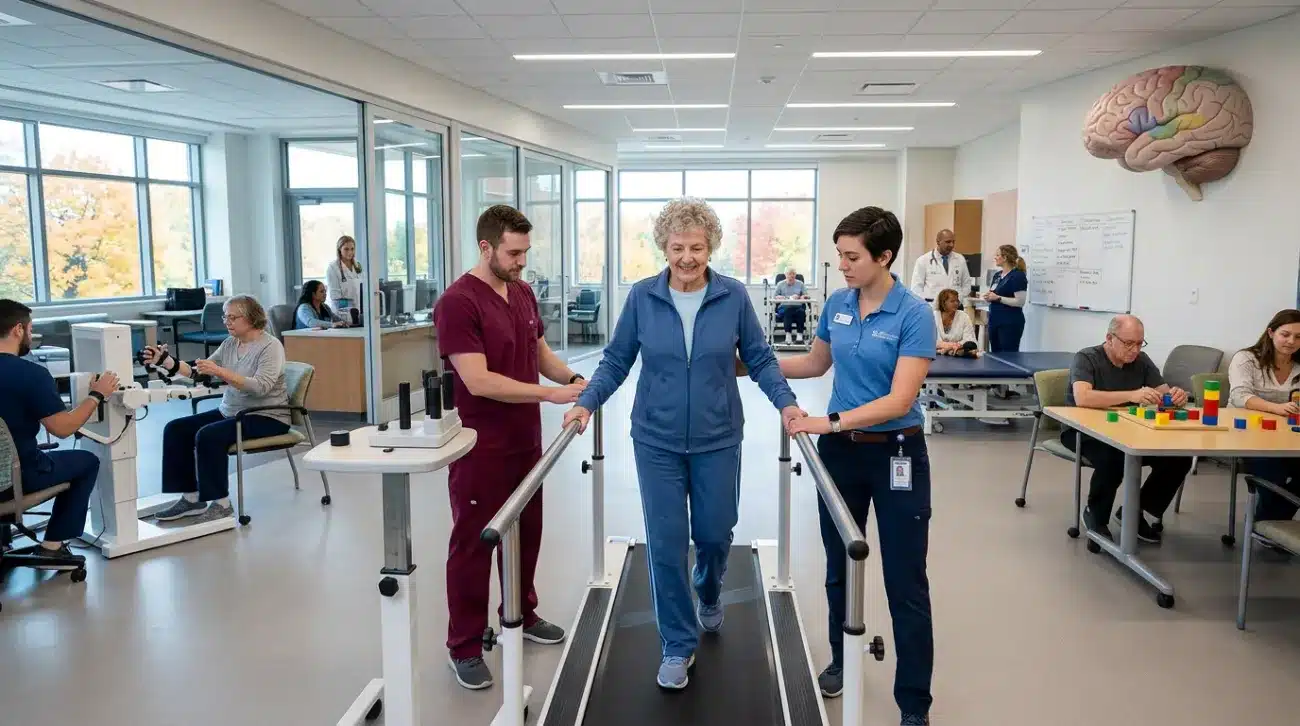
The evidence is clear that chronic stress can indeed cause physical changes in brain structure and function—changes that are measurable through modern neuroimaging techniques and manifest in real cognitive and emotional symptoms. The hippocampus shrinks, the amygdala becomes hyperactive, and the prefrontal cortex loses its capacity for flexible, rational decision-making. Yet perhaps the most important finding from decades of neuroscience research is not the damage that stress can cause, but the brain’s remarkable capacity to recover. Neuroplasticity—the brain’s ability to change in response to experience—works in both directions. With appropriate interventions including exercise, stress reduction, quality sleep, and when necessary, professional treatment, many of the structural changes induced by chronic stress can be reversed. The key lies in recognizing the signs early, taking action to reduce chronic stress exposure, and trusting in the brain’s inherent resilience while providing it with the conditions it needs to heal.